AI & Law
When A.I. Drives Itself Through San Francisco: The Arrogance of Thinking You're Indispensable
This month, while organizing Legal AI Week, I found myself immersed in a sea of expert opinions about the future of AI…
 Aldo Ricardo Rodríguez CortésLegal AI · AI & Law
2 min read
Aldo Ricardo Rodríguez CortésLegal AI · AI & Law
2 min read
This month, while organizing Legal AI Week, I found myself immersed in a sea of expert opinions about the future of AI in law. Amid presentations and debates, a pattern emerged with disturbing clarity: our persistent denial of the true potential of technology.
"AI is just a tool," "The human element is indispensable," "ChatGPT will never draft contracts correctly."
I hear these phrases with a mixture of fascination and concern. They are valid arguments, yes — but they reveal a dangerous professional myopia.
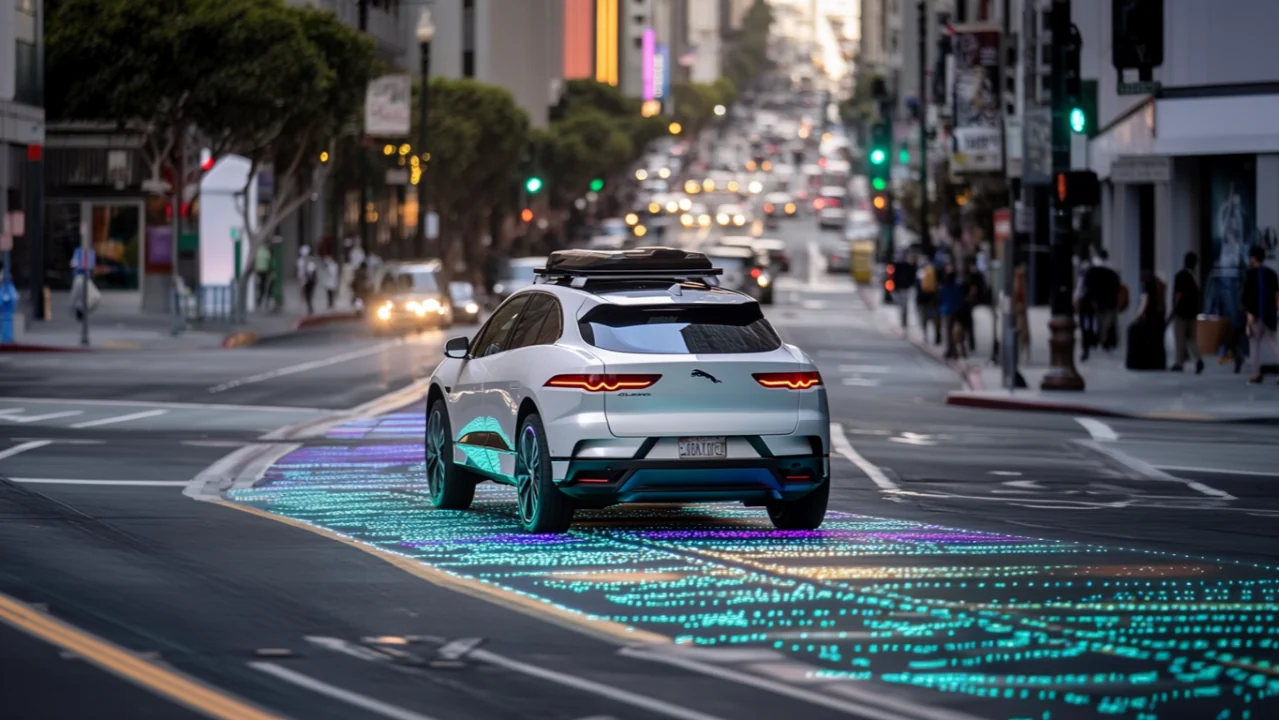
While we debate whether an AI can draft "perfect" contracts, out there on the streets of San Francisco, autonomous vehicles are navigating one of the most complex and heavily regulated urban environments in the world. This is not science fiction or a laboratory experiment — it is the result of 15 years of development and $8 billion in investment by Google. And every day I see more Waymo cars traveling those streets.
The question is not whether AI can do your job. The question is:
Do you really believe that drafting a contract is more complex than navigating San Francisco's chaotic traffic in real time?
This is not a matter of technological capability — it is a matter of time and investment. AI is already processing information thousands of times faster than any human, with instant access to more legal knowledge than a professional could accumulate in several lifetimes.
The reality is that it is not that the technology cannot — it is that sufficient investment has not yet reached our sector. But it will. And when it does, the question will not be whether AI can do our work, but how we will adapt to this new reality.
The next time you find yourself saying "AI will never be able to…", remember: there are machines out there making real-time decisions involving human lives. And they are doing it well.
But there is another point we are avoiding: the client does not care about you as much as you think.
The person who received a traffic ticket, or the executive reviewing their company's legal expenses, is not impressed by your credentials or your years of experience.
The DoNotPay case before the FTC revealed an uncomfortable truth: people are desperate for alternatives to costly traditional legal services.
So desperate, in fact, that they are willing to take their chances with imperfect solutions rather than pay an attorney's fees — an attorney who, moreover, frequently treats them with condescension.
Someday, very soon, we will look back and laugh at the time we believed our work was too complex to be automated.