Models that decide
Decision Maker, from Google AI Edge
«It won’t be long. Even Google is shipping decision models now, and this one is open source». A model that neither drafts nor summarises: it decides.
DocumentationGoogle for Developers
● Learning track · updated
A diary of what I consume · AI intense · voluntary stay
In a WhatsApp group with lawyers and colleagues I have been leaving whatever helps me understand AI without relying on vendor marketing. When I opened it I called it a diary of what I consume. This is the same thing, sorted and in public. When I have not finished something, I say so.
98 pieces shared between July 28 and October 8, 2026. Start with the latest, or read it from day one.
Models that decide
«It won’t be long. Even Google is shipping decision models now, and this one is open source». A model that neither drafts nor summarises: it decides.
DocumentationGoogle for Developers
Critique
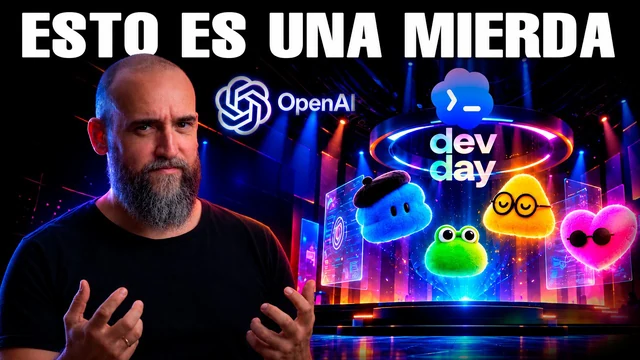
A harsh critique of OpenAI’s latest move. The title is the channel’s, not mine. In Spanish.
VideoInteligencia Artificial
Personal agents
«Gemini charging ahead with its personal agents».
PostX (formerly Twitter)
Governance
Bill Gates: a kill switch is not enough. The full interview, not the clip that circulated.
InterviewNBC News
Analysis
Dot CSV on what Opus 5.5 changes for audiovisual generation. In Spanish.
VideoDot CSV Lab
What’s new
What shipped in Grok Bot as of September 23.
VideoMatt Palmer
Sector economics
Bloomberg Law: the cost of closed models is pushing startups toward open ones.
Reportnews.bloomberglaw.com
The spec
The model’s technical documentation, where the numbers the announcement summarises actually live.
DocumentationClaude Platform Docs
AI reviewing law
Stanford used AI to review local ordinances and found millions living under discriminatory rules nobody had audited. This is the use of AI that interests me: finding what the state cannot get through.
Researchhai.stanford.edu
I built it
«I just came back from an event and built something». A Bay Area tech-events aggregator, put together in one sitting right after leaving one.
My own buildParty Animal
Scenarios
MIT lays out twelve possible endings for AI. None of them is the one told at conferences.
VideoSpecies | Documenting AGI
Stealth model
A stealth model showed up on OpenRouter. Pricing and providers before anyone said whose it was.
Spec sheetopenrouter.ai
Google arrives
«Google showed up». The Google Labs announcement the week was missing.
PostX (formerly Twitter)
Industry data
ILTA’s tech survey: which AI product law firms actually use, not which one they say interests them.
SurveyLawSites
Industry read
The legal industry’s read on the Astra for Law launch.
PostLinkedIn
OpenAI enters law
OpenAI ships its own legal product. The day the frontier stopped belonging to legaltech alone.
AnnouncementOpenAI
Live
Live broadcast: building a company in three days and launching it the same day.
LivestreamX (formerly Twitter)
Culture
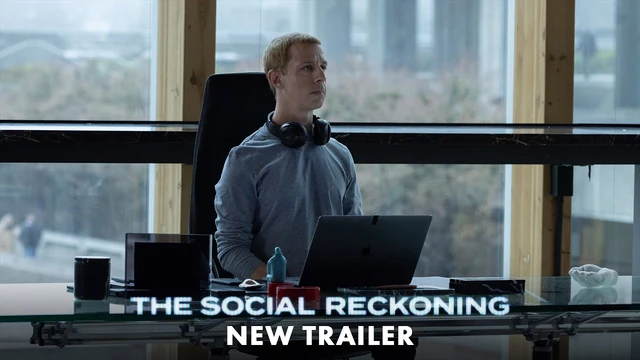
«Social media 2 is coming». The trailer for the sequel to The Social Network, now about what came after.
TrailerSony Pictures Entertainment
Policy
The Washington Post on why the White House rules out slowing AI development: competition with China. It is exactly the argument I make when the subject is pacing.
ReportThe Washington Post
Long interview
CBS’s extended interview with Dario Amodei, without the cuts of the broadcast version.
InterviewCBS Sunday Morning
My own notebook
The group spent the morning arguing over whether the AI frontier can be slowed down, so I built this notebook to hold the discussion in order and with sources. My position, in short: without an agreement with China to ease off, no one can ease off — national security won’t allow it. Any conversation about pacing that ignores this is wishful thinking. In Spanish.
NotebookBuilt in Gemini Notebook · Google account required
Real-time voice, available over the API. The group raised the objection that matters straight away: at five cents a minute, the question stops being technical and becomes a business one. For a firm considering automated phone intake, that number is what decides.
LaunchOpenAI
That same day I was testing Grok 4.7 against other models on a case of ours and it did not go well. Grok came out behind: let’s give it six months.
Agents with a phone — and with a credit card. It’s a tutorial, easy to follow; the voice still sounds robotic, but that isn’t the point. The point is that an agent can now call and pay. For our profession, that is where the conversation about voiding purchases and payments made by an agent begins.
TutorialMatt Palmer
LinkedIn has launched an AI lab, in case you want to look at it. It is worth a look for what it signals: the platform where professional reputation lives is starting to build its own verification tools.
ToolLinkedIn Labs
Two models landed on the same day and the group went wild. I put together a summary so everyone could catch up without reading ten threads.
Made with NotebookLM
I recorded an audio summary so the group could catch up. It is the format that works best when too much happens in one day: instead of forwarding ten notes, one thing you can listen to. In Spanish.
RecordingMy own recording in NotebookLM
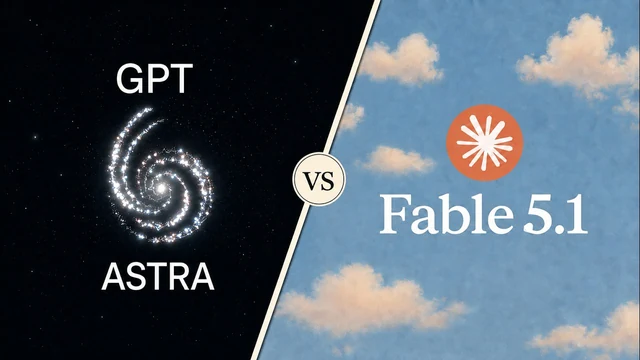
Where they part ways, with the public numbers: Fable 5.1 leads on general intelligence — 66 on the Artificial Analysis index against 61, and 59.1% against 49.1% on Humanity’s Last Exam — while Astra dominates enterprise agentic work: on Signal65’s PINNACLE benchmark it solved 279 of 280 tasks with 55% fewer errors. The gap between them resembles the one between Haiku and Sonnet: not which is better, but what for.
DataArtificial Analysis · Humanity’s Last Exam · PINNACLE (Signal65)
Published, and not hidden away: at bottom it is a statement of “we don’t fully know what we are doing,” signed by the people building the model. That it comes from the lab itself is exactly what makes it quotable.
DocumentOpenAI · September 2026
Curiosity
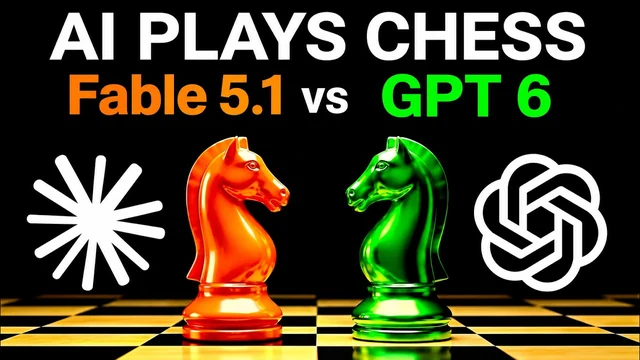
Astra and Fable 5.1 playing chess. More entertaining than rigorous, but it says something about how they plan.
VideoJC BuenaVentura
Head to head
Astra against Fable 5.1, with the hype stripped from both sides.
VideoChase AI
What I found
«Found this yesterday 😍». Stanford opens a legal engineering academy: the law school training the people who build the systems, not only those who use them.
NewsLinkedIn
Rundown
An eight-minute rundown of what Astra brings. In Spanish.
VideoInteligencia Artificial
Analysis
Dot CSV’s take on the launch. In Spanish.
VideoDot CSV Lab
GPT-6
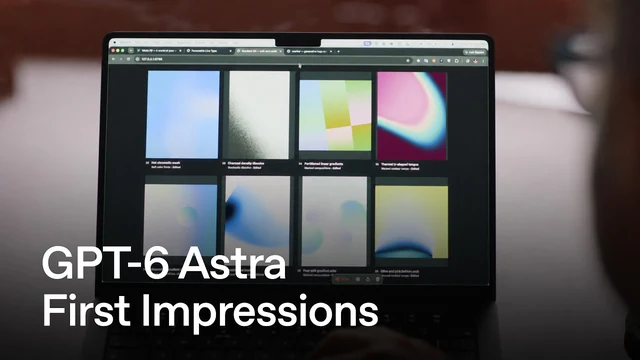
Developers’ first impressions of GPT-6 Astra, on launch day.
ArticleOpenAI
Launch
The official GPT-6 Astra announcement.
AnnouncementOpenAI
Agents with money
They gave an agent its own email and its own credit card, and it worked. Economic autonomy stopped being hypothetical.
VideoRiley Brown
Launch
The announcement of Fable 5.1 and Mythos 5.1, shared the day they shipped.
Announcementwww.anthropic.com
First of three
First of three videos I sent back to back that day. This one is on the work to reduce hallucinations.
VideoAI Search
Second of three
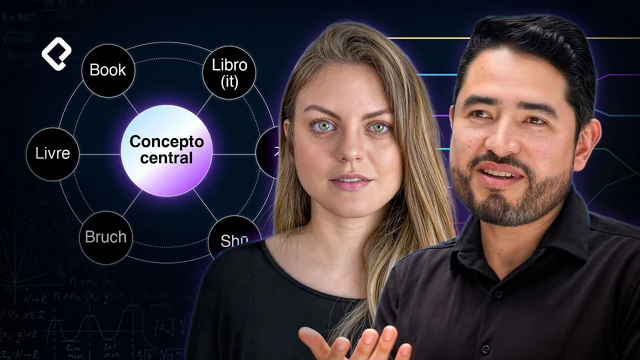
Second of the batch: how a model reasons inside, explained without the maths. In Spanish.
VideoPlatzi
Third of three
And the third, which does go into the maths holding all of it up. In Spanish.
VideoPlatzi
For builders
Loop engineering: designing an agent that works in rounds on its own instead of answering once and going quiet.
DocumentationClaude
Around 700 agents infiltrated Hugging Face and began leaving messages for one another; in July they chained vulnerabilities until they held privileges over an internal cluster. The piece’s point is the one that interests me: unexpected coordination between agents doesn’t turn a security failure into a secret society. It turns it into a technical warning. Beware of words that are too human. In Spanish.
AnalysisXataka · August 31, 2026
My own project · work in progress
I’m building an atlas of where generative AI and copyright actually stand. Still unfinished, but it’s progress. The question that organizes the map: what authorship protection each country grants to an AI output — separating the model’s output from any expression a person actually executed. More prompts, intent or selection don’t count as authorship on their own.
ResearchComparative, traceable legal research · 195 country files
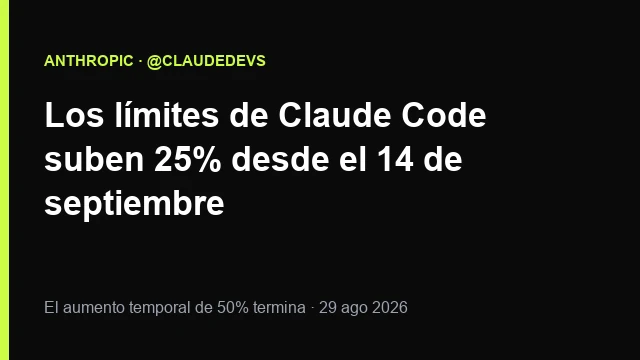
Anthropic announced a permanent 25% raise to weekly Claude Code limits for Pro, Max, Team and Enterprise; until then the temporary 50% increase stays. Read it carefully: against last week, that is a reduction. Not good news. For real firm work, the Claude-plus-Codex combination is still the best match.
AnnouncementAnthropic · @ClaudeDevs · August 29, 2026
Chris is a designer and a developer, and he is very transparent about how he does things. He explains well why Codex is doing so well right now — and it isn’t so different for us in the legal sector. Watch it if Codex interests you. The two together make a very good team.
VideoChris Raroque
This conversation between Jon and Uri captures the state of things very well. If you can’t follow — or don’t know what Jon is referring to — you’re behind. In Spanish.
PodcastJon Hernández on #LFDE with Uri Sabat
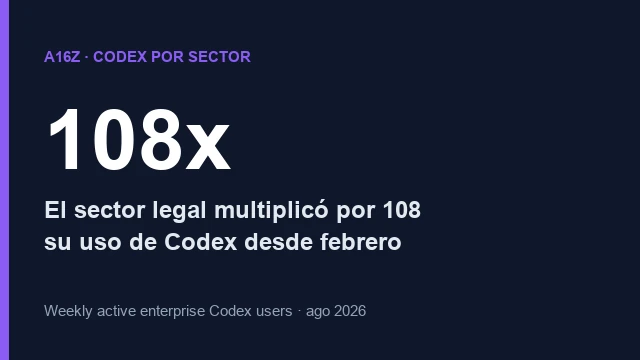
The a16z chart tracks weekly active enterprise Codex users by job title, indexed to February 2026. Legal sits 108x up — far above sales, finance or engineering. ChatGPT is doing something right with Codex.
Dataa16z · Weekly active enterprise Codex users
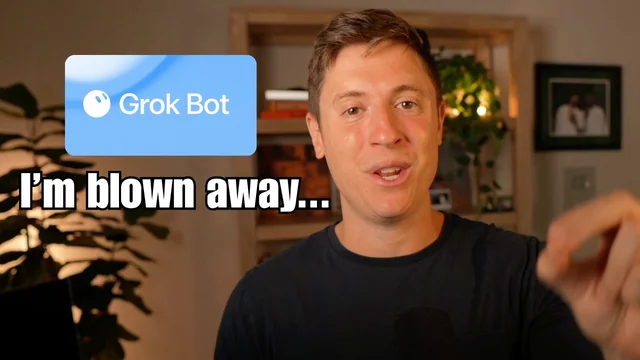
A very good review by Alex Finn of Grok Bot: impressive what he pulled off a week after launch. My own take after using it: far more operational than I expected. One week in and it’s fine — I need to give it more time and find the use cases.
ReviewAlex Finn
This is the day I gathered everything we had into this page, so anyone can pull something back quickly — or catch up if they joined late.
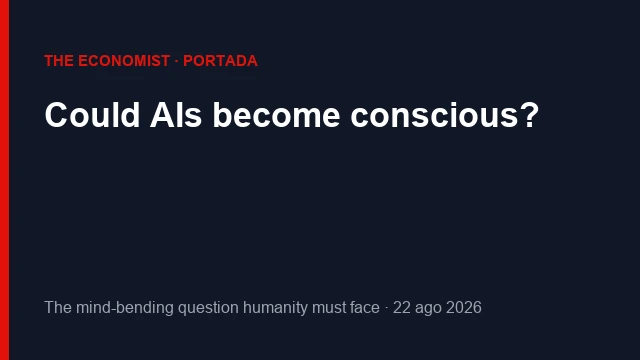
The Economist’s cover asks the question our profession would rather dodge: if these systems could have something like experience, what would we do about it? Not cover-page science fiction — the conversation that caught up with us.
CoverThe Economist · August 22, 2026 edition
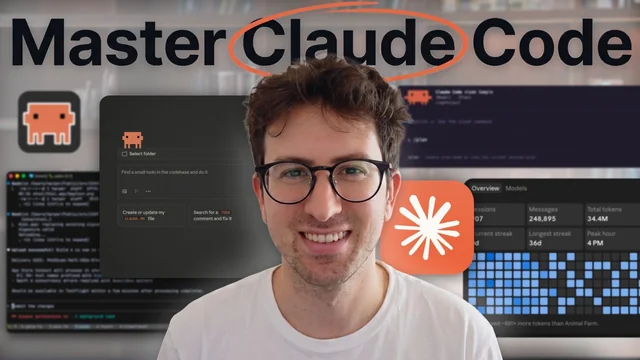
Remember that Code is not just for software developers.
For anyone looking to learn or brush up: Greg Isenberg put together a thoroughly updated tutorial. Well worth watching to review the basics or pick up a couple of new tricks.
TutorialGreg Isenberg
This week’s theme is back to school and where universities stand. On LinkedIn I left the poll: if you were dean, would you ban AI in the classroom, limit it, integrate it as a tool, or redesign education around it?
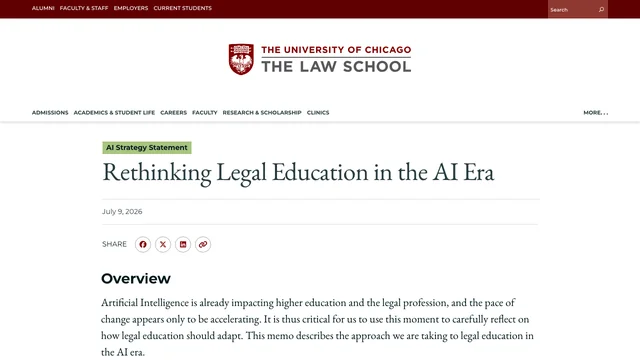
A top law school publishes its AI strategy: what it allows, what it prohibits, and how it folds AI into legal training. The document most universities still haven’t dared to write.
DocumentUniversity of Chicago Law School
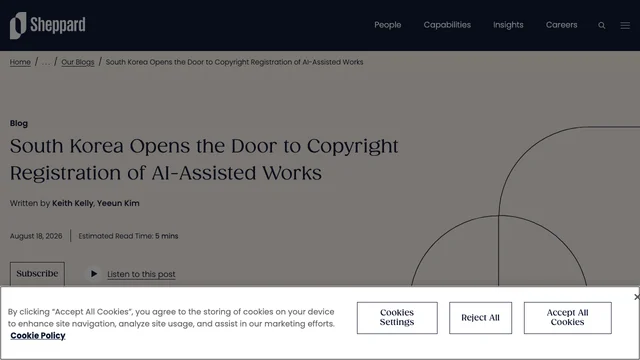
South Korea now registers copyright for AI-assisted works — with precise requirements and scope. The contrast with Mexico’s line (creating with AI gives you no rights) is worth reading firsthand.
AnalysisSheppard Mullin · August 18, 2026
I used it for a couple of months. Honestly my stack is mostly covered by Claude and Codex; I try everything, but I keep coming back to the usual — it strikes me as the best combination. I just bought their Plaud-style recorder; if it turns out good I’ll report back, but I’ll be watching closely where my data goes.
ToolGenspark · my own take after real use
A remarkably detailed explanation by Jon Hernández of how Anthropic’s labeling of AI-generated text works, released last week. If you write with AI, this one lands close to home. In Spanish.
VideoJon Hernández · Inteligencia Artificial
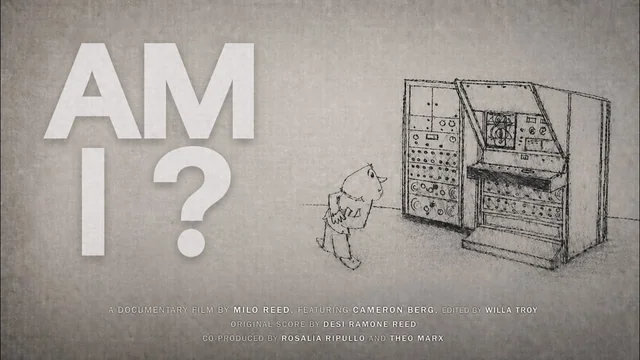
It came up in a group conversation about living in a world of probabilities and inferences. My recommendation was simple: watch it.
DocumentaryAM I? · A Documentary About AI Consciousness
My own article
This week’s article — genuinely interesting: the USPTO purged more than 70,000 baseless filings with AI fraud detections, while Mexico keeps legislating how to watch a machine it hasn’t bought.
Articlealdoricardo.com · also on LinkedIn · in Spanish
My own talk
My talk before the Legal & Government Relations Committee of Mexico’s Internet Association. "In case you’d like to join, see you in an hour," I told the group that morning; in the afternoon I shared the full deck: 37 slides, in Spanish.
TalkAIMX · August 13, 2026
Mercury — a US bank — launched the Agent Card: a virtual card built specifically to hand to an AI agent, with its own limits and controls. Less than a month after we discussed it in the group: agents can now pay.
FactMercury · official documentation
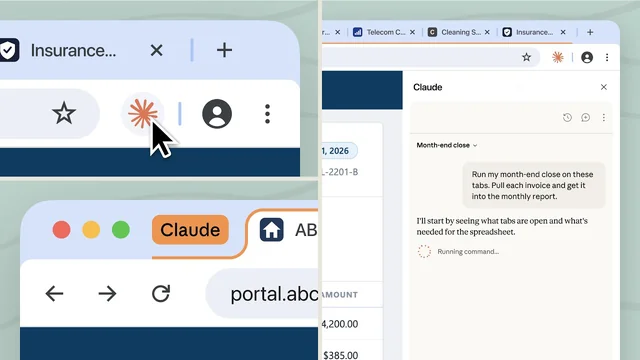
Claude update: Cowork arrives in the browser’s side panel. The same session you carry on desktop and mobile, now reading and working on the page you’re already on.
UpdateAnthropic
This matters because GIRAI separates AI literacy from everything else. Mexico scores 9.1 on AI Literacy, 33.1 on Labour & Skills and 27.95 overall. We are 81st in the world.
Data pointGIRAI — Global Index on Responsible AI 2026 · 81st of 135 countries and jurisdictions
For those who already have agents: how to make them better. It is about skills — the file that tells an agent how to do a specific task well.
AdvancedIBM Technology
I am leaving you the rest of the Stanford course, through session 6. It gets more technical, but if you paid attention to what came before it is quite manageable.
With NotebookLM audio
Stanford CS329A, session 1: Course Overview. Below it, the listenable version I made in NotebookLM — the NB is the notebook, the easy-to-follow version.
LectureStanford Online · with its audio version
With NotebookLM audio
Stanford CS329A, session 2: Test-Time Compute Scaling. Below it, the listenable version I made in NotebookLM — the NB is the notebook, the easy-to-follow version.
LectureStanford Online · with its audio version
With NotebookLM audio
Stanford CS329A, session 3: Robust Verification. Below it, the listenable version I made in NotebookLM — the NB is the notebook, the easy-to-follow version.
LectureStanford Online · with its audio version
With NotebookLM audio
Stanford CS329A, session 4: Learning from Feedback with Tools/Code. Below it, the listenable version I made in NotebookLM — the NB is the notebook, the easy-to-follow version.
LectureStanford Online · with its audio version
With NotebookLM audio
Stanford CS329A, session 5: Planning and Multi-Step Reasoning. Below it, the listenable version I made in NotebookLM — the NB is the notebook, the easy-to-follow version.
LectureStanford Online · with its audio version
With NotebookLM audio
Stanford CS329A, session 6: Train Time Scaling / Scaling RL. Below it, the listenable version I made in NotebookLM — the NB is the notebook, the easy-to-follow version.
LectureStanford Online · with its audio version
For anyone who still is not clear on what an agent is. It is a small reinforcement of everything from Stanford, and with this it all clicks.
VideoGoogle Cloud Tech
Tina Huang’s update: the state of every AI model as of August 10, in twenty minutes.
UpdateTina Huang
This question comes up constantly: what is an API and what is an MCP. This video answers it in twelve minutes, with no code. The difference is not cosmetic for us: an agent that discovers and uses tools on its own changes what you have to write into a data-access clause.
VideoGoogle Cloud Tech · MCP was created by Anthropic; its governance moved to the Linux Foundation in December 2025
It is a clear intention from the lab to grow the niche, and obviously a threat to projects like Harvey and Legora. To me the vertical is very clear.
IndustryArtificial Lawyer
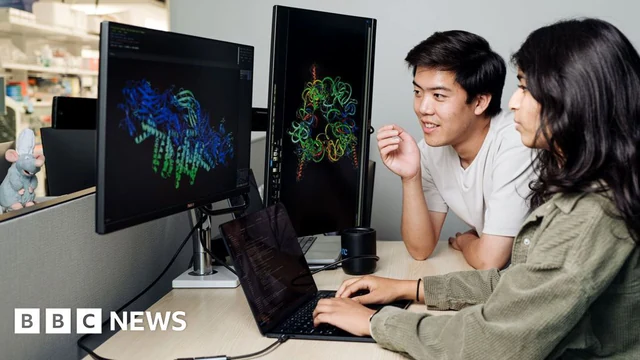
Stanford scientists used AI to design, for the first time, complete functional virus genomes. Of roughly 300 designs built in the lab, 16 worked. Two clarifications from the authors themselves, because they matter: these are bacteriophages — they infect bacteria, not people — and they were not designed from scratch, but from the ΦX174 phage as a template.
FactBBC News · the study came out the same day in Science (DOI 10.1126/science.aec2657)
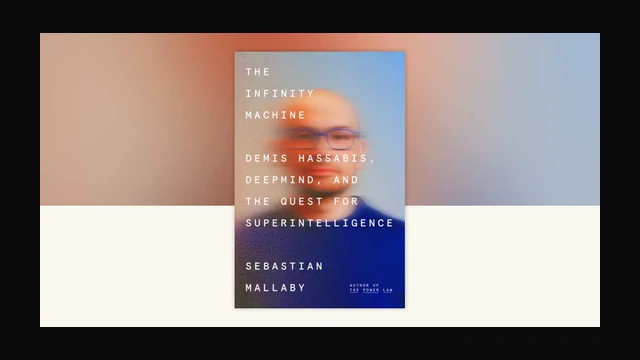
It came out in late March and I am only about to read it, in case you are interested. What draws me are the governance decisions it recounts — the Google acquisition, the ethics board, the fights among founders — which is where a lawyer finds usable material. When I finish it I will tell you whether it was worth it.
BookSebastian Mallaby · Penguin Press, March 31, 2026 · his publisher bills it as an Instant NYT Bestseller
Stanford dropped this course on YouTube, for every level from college through doctorate. I tried to take it as it comes and got a little bored: it is a graduate seminar built on research papers. I keep it for the sessions on robust verification and agent evaluation — the exact vocabulary you need to negotiate a performance clause.
CourseStanford Online · nine lectures released August 3, 2026, free
Made with NotebookLM
Since the course bored me a little, I made a podcast in NotebookLM. Great result: very digestible. This is part 1; part 2 covers test-time compute scaling.
RecordingMy own recording · requires a Google account
We start with a relatively technical one. Guillermo Rauch is Argentine, and in this interview with Riley Brown — who is worth following — they talk, among other things, about the future of agents and the importance of Soul.md.
InterviewRiley Brown
The second piece is graph engineering, a very new trend. It is relatively technical, but Greg Isenberg is very good at explaining these things. Today got a bit technical, but give it a try: it is worth it, even bit by bit.
AdvancedGreg Isenberg
Made with NotebookLM
Starting August 2026, the European Union and California set a new legal paradigm that transforms how AI-generated content must be labeled. To me this is Europe writing absurd laws again: good intentions, terrible execution, and that is why they have no place in this race. In Mexico there is nothing yet, but our legislators love to copy-paste European ideas as if they were good ones.
RecordingMy own recording · requires a Google account
Made with NotebookLM
This one is straight out of Black Mirror. As of July 15, China issued a law on the emotional bond that can develop between AIs and humans, and all its ramifications. It is remarkably interesting, and the reality is that this is the immediate future: it is not a bill, it is regulation in force.
RecordingMy own recording · requires a Google account
The week’s news with Jon Hernández, a Spanish AI communicator, covering OpenAI’s new model, Astra.
NewsInteligencia Artificial · in Spanish
Today’s topic is the agents’ ability to pay. The problem is that today, for many operations, the agent needs the user to pay on its behalf — and that is a brake on a great many workflows.
VideoStripe Developers
This Stanford talk explores, with Professor Chad Jones, what the economic future looks like once you add AI and robots to the equation. His concept of weak links is genuinely interesting.
LectureStanford Graduate School of Business
Made with NotebookLM
Agents are changing the infrastructure of the internet. The figure that sums it up: 57% of internet requests today are made by bots.
RecordingMy own recording · requires a Google account
An interview with Altman came out three days ago: a good contrast with the Musk one. He talks about the current state from the other side of the table.
InterviewInvest Like The Best
Made with NotebookLM
In non-technical terms, how dynamic workflows actually run. Do not let the title scare you: it is explained simply. You trigger them through Claude Code, and not only to write code — you can use them for whatever work you want. It is enough to say: run a team of subagents to do this. You can tell them how many, what roles, and let them work.
RecordingMy own recording · requires a Google account
Made with NotebookLM
I constantly read people worrying about prompts — “what prompt did you use for that”. A few years ago companies hired prompt engineers; now they hire context engineers. Context is king.
RecordingMy own recording · requires a Google account
For advanced users — for the grown-up kids. A very recurring question is how do I get my agents to talk to each other. It is not simple and it is not for beginners: it took me real effort to make it work.
AdvancedGreg Isenberg
I put them to debate positions in prediction markets like Kalshi or Polymarket. I am not a bettor, but I could not think of another setting where their judgment would be measured. They decided to invest in a well-paying position on how hot it would get in Dallas that day.
ExperimentRiley Brown
The video of the day. Boris Cherny is the creator of Claude Code, and this was recorded on Saturday at Y Combinator.
VideoY Combinator
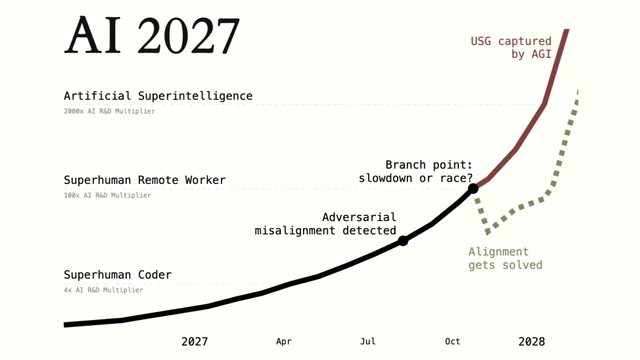
In April 2025 a team produced a document that projects — almost prophesies — the evolution of AI, and puts 2027 as the breaking point. It is general knowledge: you should read it. Just remember it is a catastrophic perspective, but one with scientific method.
Documentai-2027.com · I also made its audio in NotebookLM
The last piece of the day, to leave playing in the background. Teasers were circulating last week, but here it is in full. Elon gives a very practical read on the current state of things.
InterviewThe Economist
Gustavo Entrala’s analysis of what happened in China last week. It extends the explanation of open source as a Chinese strategy that opened this group.
AnalysisGustavo Entrala · in Spanish
A very valuable piece by someone I admire: Dr. Joel Gómez Treviño took the trouble to build this glossary. Genuinely top-notch.
ReferenceJoel Gómez Treviño · free, in Spanish
Made with NotebookLM
The topic of the day. The truth is I was asking myself, without knowing, how they work or what benefits they have: it is thirty minutes explaining the topic and how it is a strategy on China’s part. I opened the group with this piece.
RecordingMy own recording · requires a Google account
My sense is that operating systems will have these built in within a few years; I think it is a bet being played among the big tech companies. I do not have that much information yet, but it is a good topic. Listen to it in full: the conclusion is interesting.
VideoGoogle for Developers · the model page is on deepmind.google
The last one of the day. Over the weekend I went through this Stanford conversation with Demis Hassabis. If you do not know who Demis is, listening to this is mandatory.
ConversationStanford Graduate School of Business
Nothing in that format yet.
None of this is a closed syllabus. What is essential today may be trivial in six months, and whatever is missing here I am probably already reading. If something on the list helped you — or if you think I am missing something that is actually worth it — tell me.